


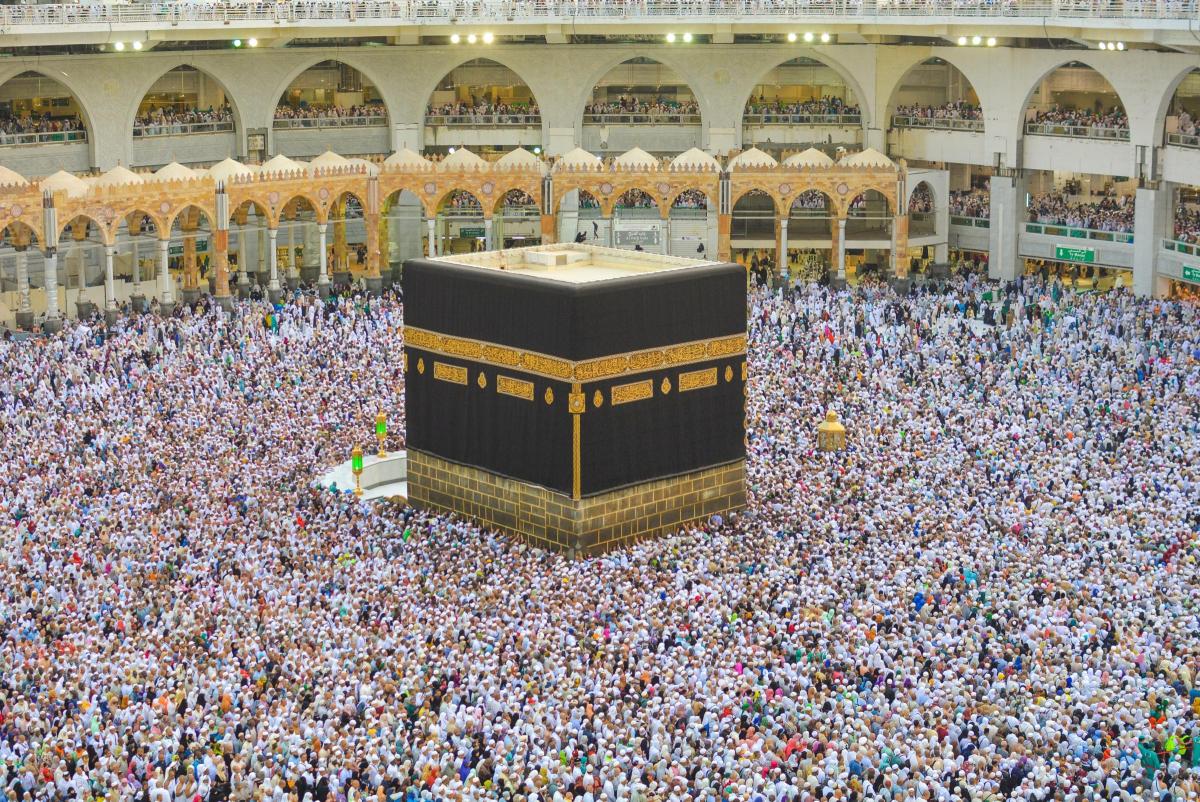


Every year, millions of Muslims from across the world travel to Makkah in Saudi Arabia to perform Hajj, the great pilgrimage of Islam.
Hajj is one of the five pillars of the Islamic faith and is required once in a lifetime for every adult Muslim who is physically and financially able to undertake the journey.
Hajj takes place during the Islamic month of Dhul-Hijjah. It is not a holiday or a sightseeing trip, but a deeply spiritual act of worship.
Muslims believe that the pilgrimage follows the footsteps of the Prophet Abraham, his wife Hajar, his son Ishmael, and finally the Prophet Muhammad, peace be upon them all.
It reminds believers of sacrifice, patience, obedience to God, and trust in His mercy.
One of the most striking scenes of Hajj is the equality it represents.
Men wear simple white garments, removing visible signs of wealth, nationality, status and social class.
Kings and workers, scholars and ordinary people, the rich and the poor all stand together before God as human beings.

Hajj teaches that true honour is not found in race, colour, power or possessions, but in righteousness, humility and good conduct.
The central day of Hajj is the Day of Arafah, when pilgrims gather on the plain of Arafat in prayer and reflection.
It is a day of repentance, forgiveness and hope. Muslims believe it is one of the greatest days of the year, when people turn sincerely to God and seek a new beginning.
Hajj also carries a universal message.
It teaches Muslims to respect life, protect the rights of others, avoid injustice, care for the weak, and live with moral responsibility.
The Prophet Muhammad, peace be upon him, delivered his Farewell Sermon during his final pilgrimage, reminding humanity of the sanctity of life, the dignity of women, the end of racial superiority, and the accountability of every person before God.
For Muslims, returning from Hajj should mean returning as a better person: more humble, more compassionate, more honest, and more committed to serving others.
In this sense, Hajj is not only a journey to Makkah; it is a journey back to the heart, back to conscience, and back to God.
- Dr Mohammed Fahim is head Iman at South Woodford Islamic Centre.


Share