




Beer giant Guinness may have just opened its Open Gate micro brewery in central London - but a new book charts its huge factory that is one of the capital's lost treasures.
Paul Knox's Lost London (Yale University Press) is an illustrated history of London told through 25 lost buildings.
And the Guinness Brewery which stood for 70 years in Park Royal is on the list.
The factory went up in the 1930s at a time when the brewing company was shipping two thirds of its stout from St James’s Gate in Dublin to Britain.

To cut costs they built a new plant on a 134 acre greenfield site in north west London, served by rail, the Grand Union Canal and major roads.
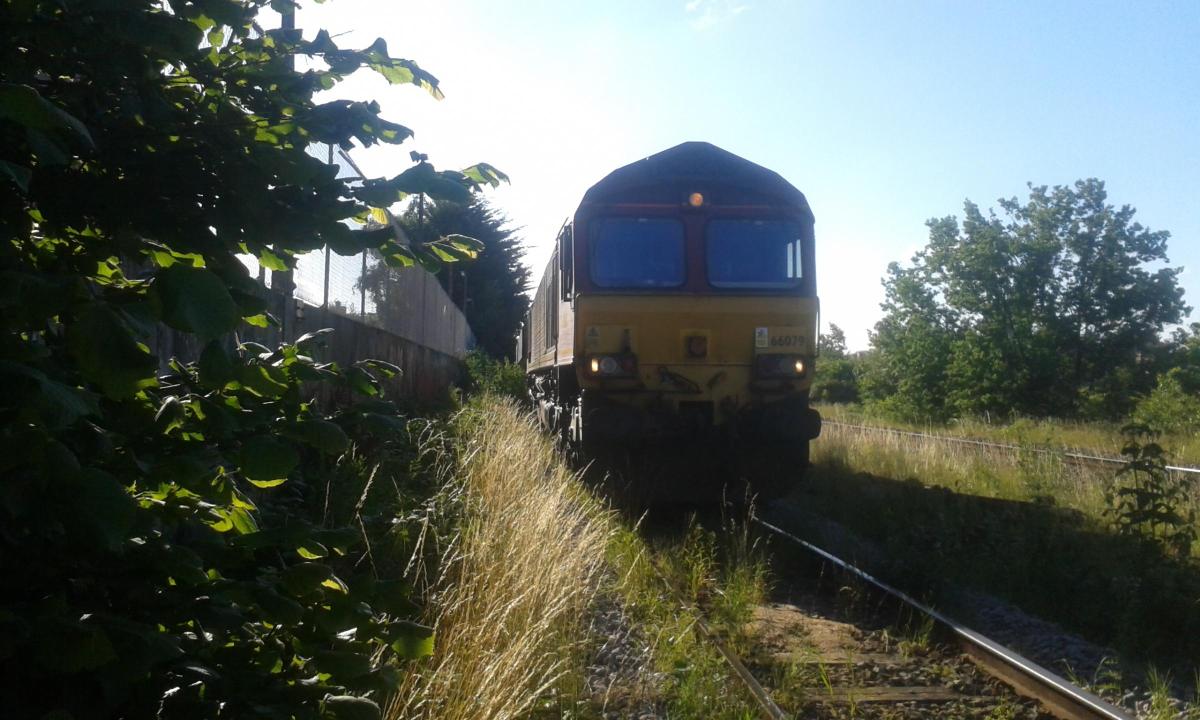
Indeed the brewery had its own sidings and operated first diesel locomotives then ex British Rail shunters painted in black Guinness livery.
It was designed by Alexander Gibb and Sir Giles Gilbert Scott in a blend of modern industrial and Art Deco style - and began pumping out beer in 1936, using equipment modelled on their Dublin brewhouse dating back to 1879.
The 100-foot high malthouse, brewhouse and storehouse - linked by elevated bridges - became a west London landmark.

Although designed to produce 650,000 barrels a year, during the Second World War, when materials and transport from Ireland were disrupted, it ramped up to brew Guinness Extra Stout for southern England - at its peak producing two million barrels a year.
Britain's largest brewery was based on a paternalistic 'Garden Factory' concept and the 1,500 workers enjoyed gardens, a farm, allotments, sports fields, a bowling green, tennis courts, canteens with waitress service - and a pub called The Toucan Inn.
Staff could join a sports team, tend or borrow money for mortgages - and each was given three bottles of beer a day. Roger Bannister trained on the track sometimes for his four- minute mile attempt.
But as drinking habits and technology changed Guinness diversified into other businesses including making Harp lager.
By 1997 Guinness merged with Grand Metropolitan to form Diageo, who built a headquarters in Park Royal but ceased brewing there in 2005 with stout production reverting back to Dublin.
Despite being compared to Gilbert Scott’s Battersea or Bankside power stations the brewery complex wasn't listed, and was demolished in 2006 - an act Knox notes that was condemned by the Twentieth Century Society as “pure architectural vandalism.”
When the brewery first opened, he says Park Royal was "the Silicon Valley of its day" home to huge names such as Heinz, Wall's , Lyons and McVities.
But on its final day in 2005, they produced a special bottle to mark the occasion - the names of all the workers still left on site could fit on the back of the bottle.


Share